Worth finding
Hangzhou Silk (杭州丝绸)
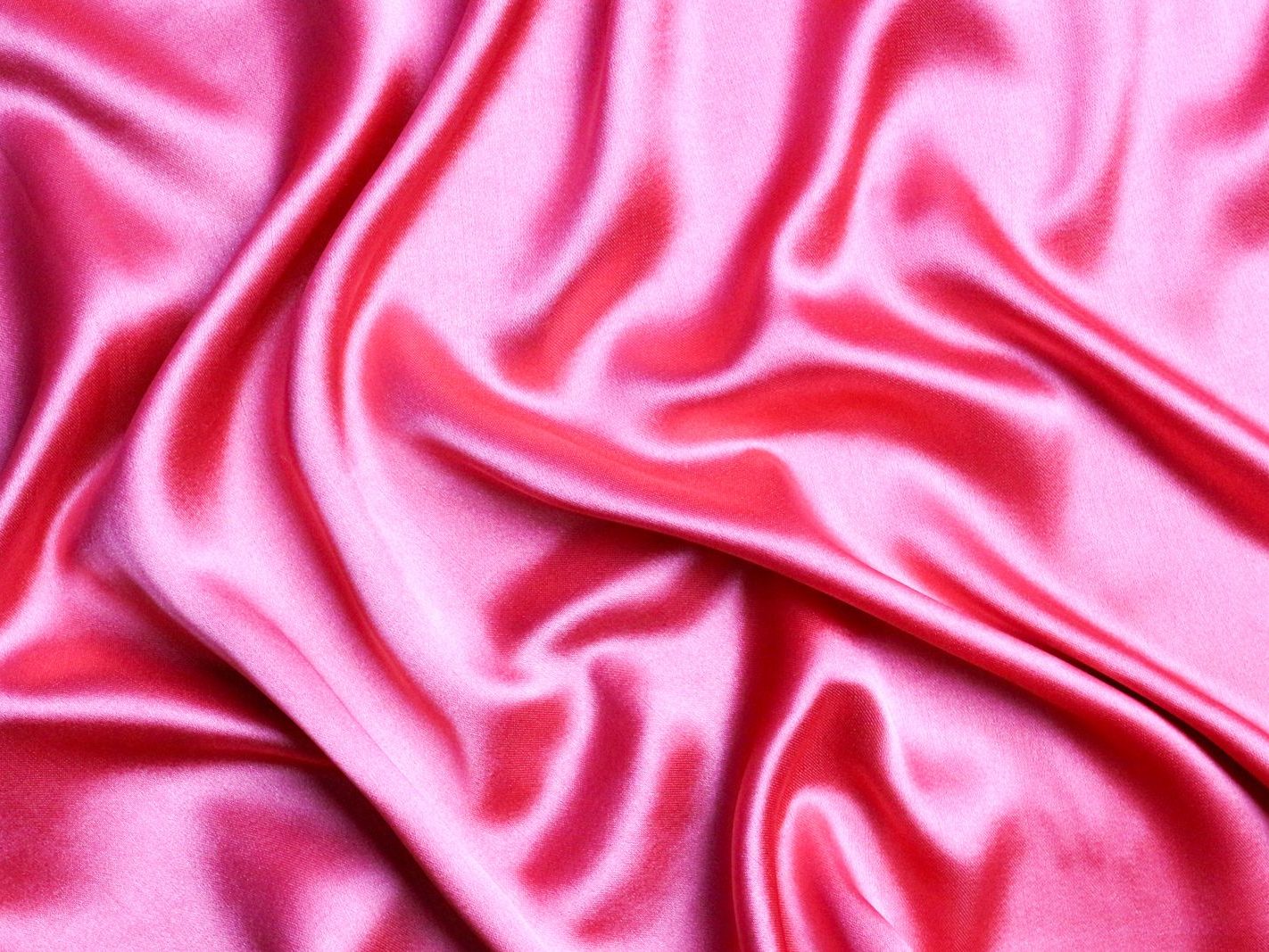
Silk scarves, ties, and fabrics from the 'silk capital' — the Dujinsheng heritage brand is the safe classic.
Price varies — check in store
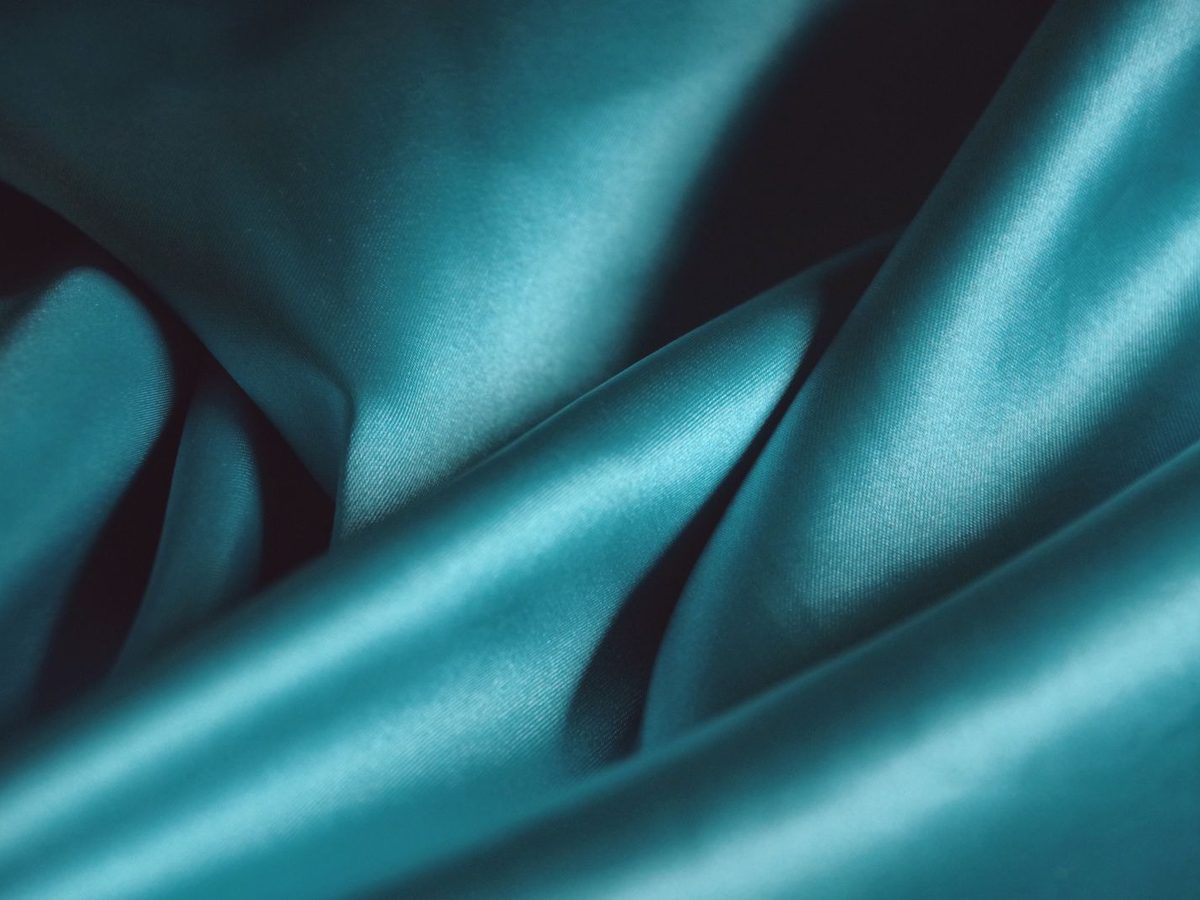
Real silk has a job to do in your suitcase: it is light, packs flat, and reads unmistakably Chinese. When choosing, check the fabric content label — genuine mulberry silk is marked 100% silk (真丝) or with a silk mark. Rub the fabric: real silk warms quickly in your hand and has a subtle, uneven sheen; polyester imitations feel slippery and look uniformly shiny.
For scarves and garments, decide between ready-made pieces (fixed prices, quality you can inspect) and custom tailoring (a Shanghai qipao takes days and at least one fitting). In wholesale markets, bargaining is expected; in brand flagships and department stores, prices are fixed.
We have not verified current shelf prices for specific products — confirm in store. As a rule of thumb, plain silk scarves from market stalls cost far less than branded or hand-embroidered pieces; custom-tailored qipaos are priced by fabric grade and workmanship, and you should agree on the total before the first fitting. Ask whether the quoted price includes linings, buttons, and alterations.
Worth finding
Silk scarves, ties, and fabrics from the 'silk capital' — the Dujinsheng heritage brand is the safe classic.
Price varies — check in store
Worth finding
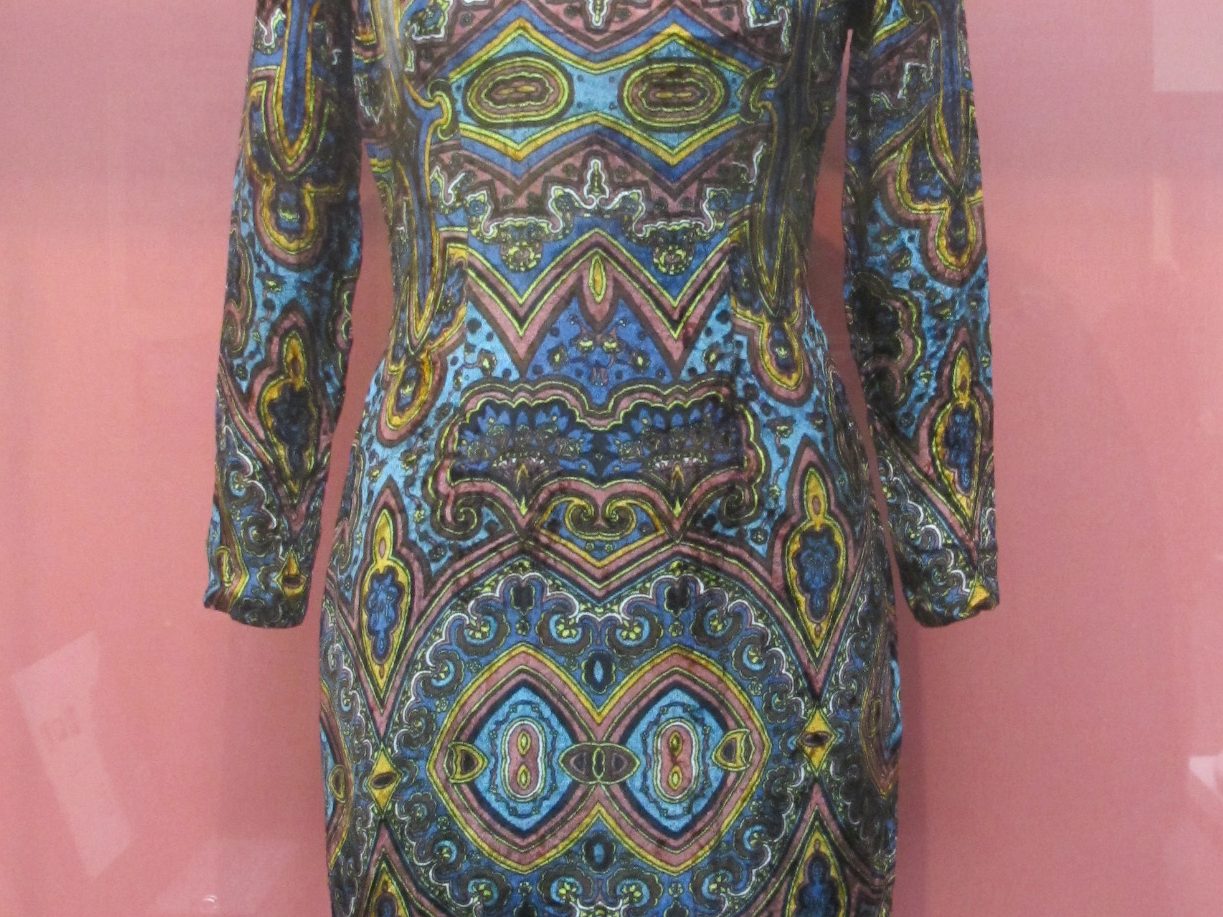
The definitive Shanghai-only purchase: a qipao made to your measurements by a local tailor — the city's signature garment.
Price varies — check in store
Guide checked 2026-10-10.